
Interior Walls Built in the Right Sequence
Insulation and Drywall in Tri-State area Township for remodeling, additions, and restoration project
Installing insulation before hanging drywall ensures that wall cavities are properly filled, that vapor barriers are positioned correctly, and that thermal performance meets code requirements before surfaces are closed and finished. Trav Construction Group coordinates insulation installation and drywall finishing as a bundled service in Tri-State area Township, so framing gets insulated, sealed, and covered with smooth, paint-ready surfaces without requiring separate contractors or scheduling gaps between phases. The result is interior walls and ceilings that regulate temperature effectively, remain stable over time, and present clean, even surfaces ready for primer and paint.
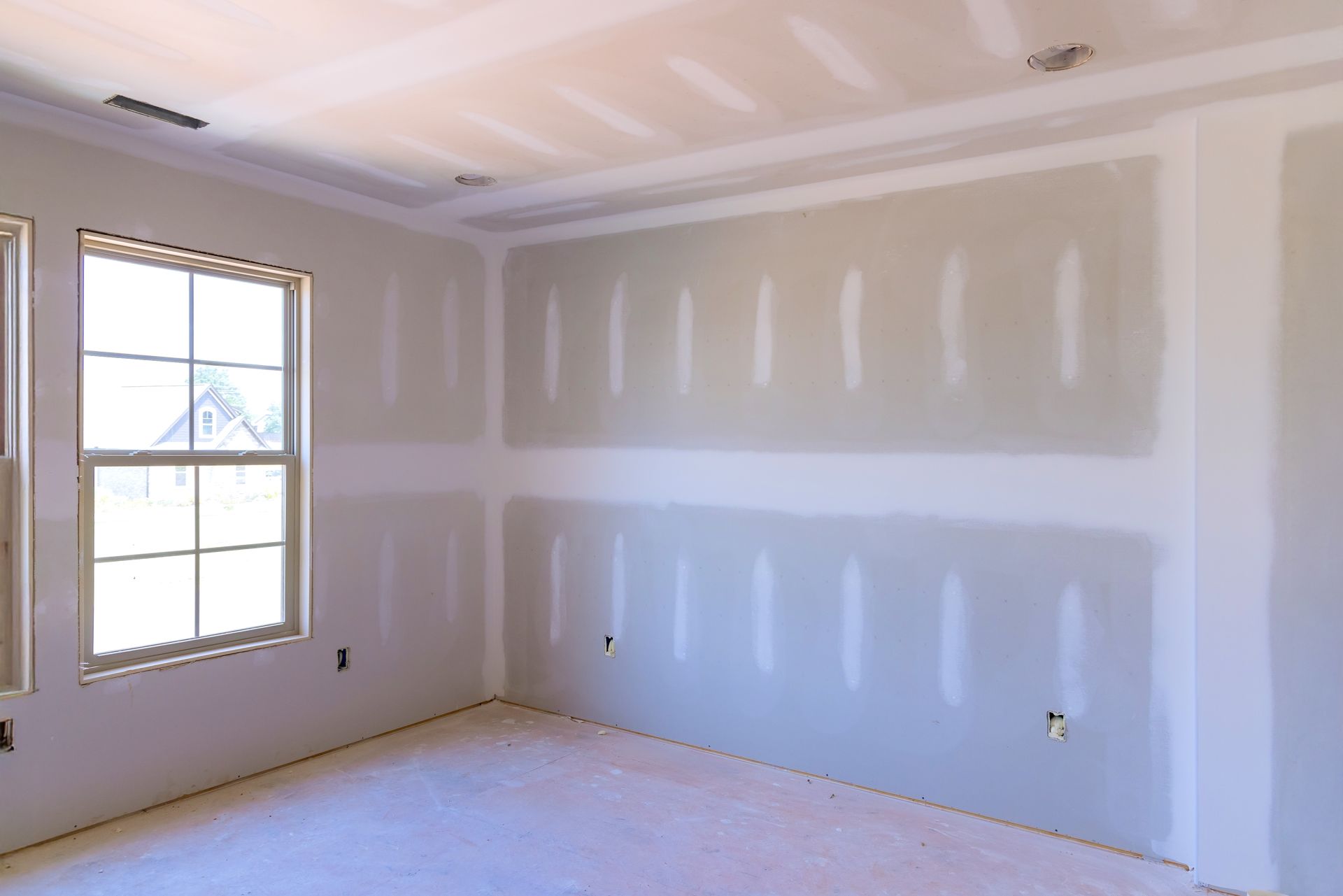
The process begins with verifying that framing is square, that electrical and plumbing rough-ins are complete and inspected, and that any moisture barriers or air sealing materials are installed before insulation fills the cavities. Drywall is measured, cut, and fastened to framing with screws spaced to prevent sagging or fastener pops, then seams are taped, coated with joint compound in multiple layers, sanded smooth, and prepared for finishing.
Arrange an on-site consultation to review framing layout, insulation requirements, and drywall finishing specifications for your project.
How Insulation and Drywall Work Together
Insulation slows heat transfer through walls and ceilings by trapping air in fiberglass batts, blown cellulose, or foam, but it only functions as intended when installed at the correct density, without gaps around outlets or framing members, and when vapor barriers face the correct direction relative to conditioned space. New Jersey building codes specify minimum R-values for walls and ceilings, and insulation must meet those values before drywall is installed and inspections are closed.
Once drywall is finished, you'll see smooth, uniform walls without visible seams, fastener dimples, or texture inconsistencies, and rooms will feel quieter and maintain temperature more steadily than they did with open framing. Corners will be sharp and straight, and ceiling planes will sit level without waves or sags that indicate improper fastening or inadequate framing support.
Bundling insulation and drywall under one contractor eliminates the coordination problems that arise when insulation installers leave debris or compress batts incorrectly, forcing drywall crews to correct issues before they can begin hanging panels. It also ensures that any framing adjustments needed after insulation is placed—such as shimming bowed studs or adding blocking—are identified and resolved before drywall installation begins.
Common Questions About This Service
Homeowners and property managers often ask about sequencing, material choices, and how bundled services simplify project coordination.
What type of insulation is used in wall and ceiling cavities?
Fiberglass batts are common in standard framing cavities because they're cost-effective and meet code R-values when installed without compression or gaps, while blown cellulose or spray foam may be used in irregular cavities, around obstacles, or when higher R-values are required.
How do you prevent drywall seams from cracking over time?
Seams are reinforced with paper or fiberglass mesh tape embedded in joint compound, then covered with additional coats that feather out several inches beyond the tape, creating a gradual transition that flexes slightly without cracking when the building shifts or temperature changes.
Can insulation be added to existing walls without removing drywall?
Insulation can be blown into closed wall cavities through small access holes drilled from the interior or exterior, but this method works best in walls with no obstructions and requires verifying that cavities are actually empty before drilling and filling begins.
How long does drywall finishing take before walls are ready to paint?
Drywall finishing involves multiple coats of joint compound that must dry fully between applications, so the process typically takes several days depending on humidity levels and ventilation, with sanding and priming adding additional time before paint can be applied.
Why bundle insulation and drywall instead of hiring separate contractors?
Bundling these services with one contractor reduces scheduling delays, ensures that any installation issues are identified and corrected before drywall covers the work, and provides a single point of accountability for both the thermal performance and the finished surface quality.
Trav Construction Group provides documented project scopes that outline insulation R-values, drywall thickness, finish levels, and completion timelines, so you understand what will be installed and how the finished interior will perform. Request a free quote to discuss your insulation and drywall project requirements.