
Walls That Hold Up Without Crumbling
Plaster Repair in Tri-State area Township for cracked, damaged, or crumbling interior surfaces
Plaster walls and ceilings crack, crumble, or pull away from lath when moisture seeps behind the surface, when a building settles unevenly, or when decades of minor movement finally break the bond between layers. Trav Construction Group repairs damaged plaster in residential and commercial properties throughout Tri-State area Township, restoring both the structural integrity and the smooth appearance of interior surfaces. You'll notice that repaired sections no longer flex when touched, cracks no longer spread across the ceiling, and paint adheres properly instead of flaking off within months.
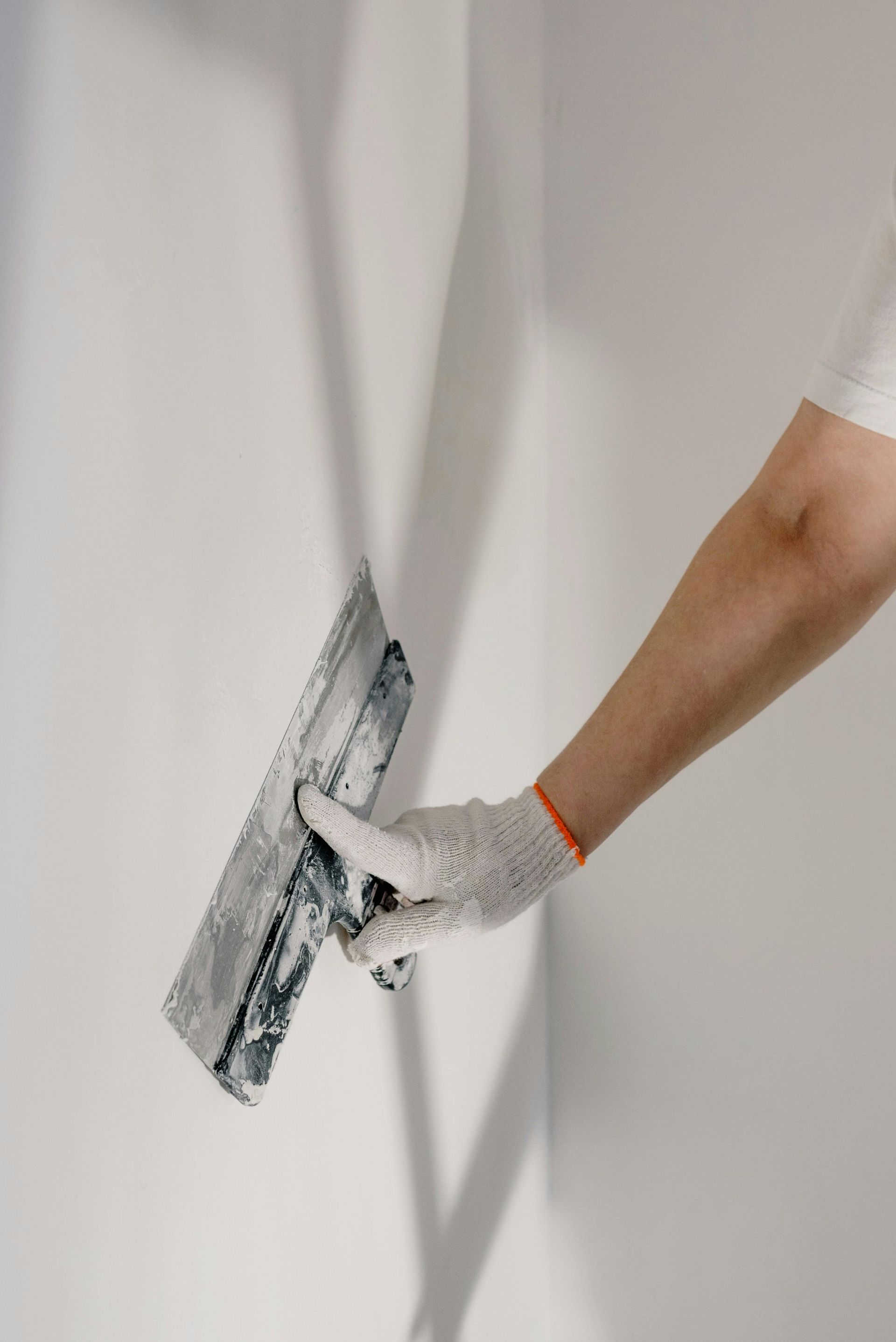
Plaster repair involves removing loose or damaged material, reattaching or reinforcing the underlying lath if necessary, building up the surface with bonding agents and plaster compound in layers, and smoothing the finish to match surrounding texture. Water-damaged plaster requires identifying and addressing the moisture source before any repair work begins, since applying new plaster over damp substrate only delays the same failure pattern.
Schedule a property evaluation to identify the extent of damage and the repair approach needed for your walls or ceilings.
Why Plaster Cracks and What Proper Repair Prevents
Older homes often have three-coat plaster systems applied over wood or metal lath, and these systems can last a century when kept dry and undisturbed. Cracks appear when the building shifts, when water infiltrates from roof leaks or plumbing failures, or when previous repairs used joint compound instead of actual plaster, creating a weak patch that separates over time. Trav Construction Group assesses whether damage is surface-level or whether the plaster has detached from the lath, since detached plaster requires mechanical fastening or removal and replacement rather than simple filling.
Once repairs are complete, you'll see smooth, solid surfaces that don't produce dust when touched, walls that no longer show spiderweb cracking spreading from old damage sites, and ceilings that remain stable instead of sagging between joists. Repaired plaster accepts primer and paint evenly, without the blotchy absorption patterns that indicate incomplete surface preparation or mismatched materials.
Matching existing textures requires understanding whether the original finish was troweled smooth, stippled, swirled, or left with a sand-float texture, and whether the surrounding plaster has been painted multiple times, which affects how new plaster blends visually. Repairs in commercial properties often prioritize speed and durability, while residential projects may involve more precise texture replication for historically accurate finishes.
What Property Owners Usually Ask
Questions about plaster repair often focus on whether damaged sections can be saved or need full replacement, and how repairs will look once finished.
What causes plaster to crack or crumble over time?
Plaster fails when moisture weakens the bond between layers, when building settlement creates stress points, when the wood lath behind it deteriorates, or when impact damage breaks through the surface. Homes in Tri-State area with older plaster systems often show ceiling cracks near where roof leaks occurred years earlier, even after the leak itself was repaired.
How do you match plaster texture on older walls?
Matching texture involves examining the original finish under angled light to identify the trowel pattern, stipple depth, or aggregate size, then replicating that finish using similar tools and techniques. Perfect matches are easier on smoother finishes than on highly textured or hand-troweled surfaces.
Can small cracks be filled without replastering entire sections?
Hairline cracks that haven't widened or multiplied can be filled with flexible patching compound after the underlying cause is addressed, but cracks wider than an eighth of an inch or cracks that reappear after filling usually indicate that the plaster has lost its bond and needs more extensive repair.
What happens to water-damaged plaster?
Water-damaged plaster becomes soft, discolored, and loses its structural strength, so damaged sections are removed back to solid material, the area is allowed to dry completely, and new plaster is applied in layers that bond to the existing edges.
How long before repaired plaster can be painted?
Plaster needs to cure and dry fully before paint is applied, which typically takes several days depending on humidity, ventilation, and the thickness of the repair, since trapping moisture under paint will cause the finish to bubble or peel.
Trav Construction Group provides detailed project scopes before plaster repair work begins, so you understand what will be removed, how surfaces will be rebuilt, and what the finished repair will look like. Request a free quote to review your specific plaster damage and repair options.