
Surfaces Restored Without Leaving Obvious Patches
Residential Ceiling and Wall Repair in Tri-State area Township for cracks, water damage, and structural surface failures
Ceiling and wall damage often starts small—a hairline crack, a small water stain, a dent from moving furniture—but spreads or worsens when the underlying cause isn't addressed, when repairs use incompatible materials, or when surface preparation is rushed. Homeowners in Tri-State area Township rely on Trav Construction Group to assess damaged drywall and plaster, identify whether the problem is surface-level or structural, and restore walls and ceilings so rooms look finished and ready to use again. After repairs are complete, you'll notice that cracks no longer reappear along the same seam, that water stains don't bleed through fresh paint, and that repaired sections sit flush with surrounding surfaces rather than bulging or sagging.
Repair work begins with determining what caused the damage—whether it's a roof leak that saturated ceiling drywall, foundation settlement that stressed wall seams, or simple impact damage that punched through the surface. Water-damaged material is cut back to dry, stable edges, and any wet insulation or framing is replaced before new drywall or plaster is installed and finished to match existing texture.
Schedule a property evaluation to identify damage extent and the repair approach needed for your home's walls or ceilings.
What Proper Repair Accomplishes Long-Term
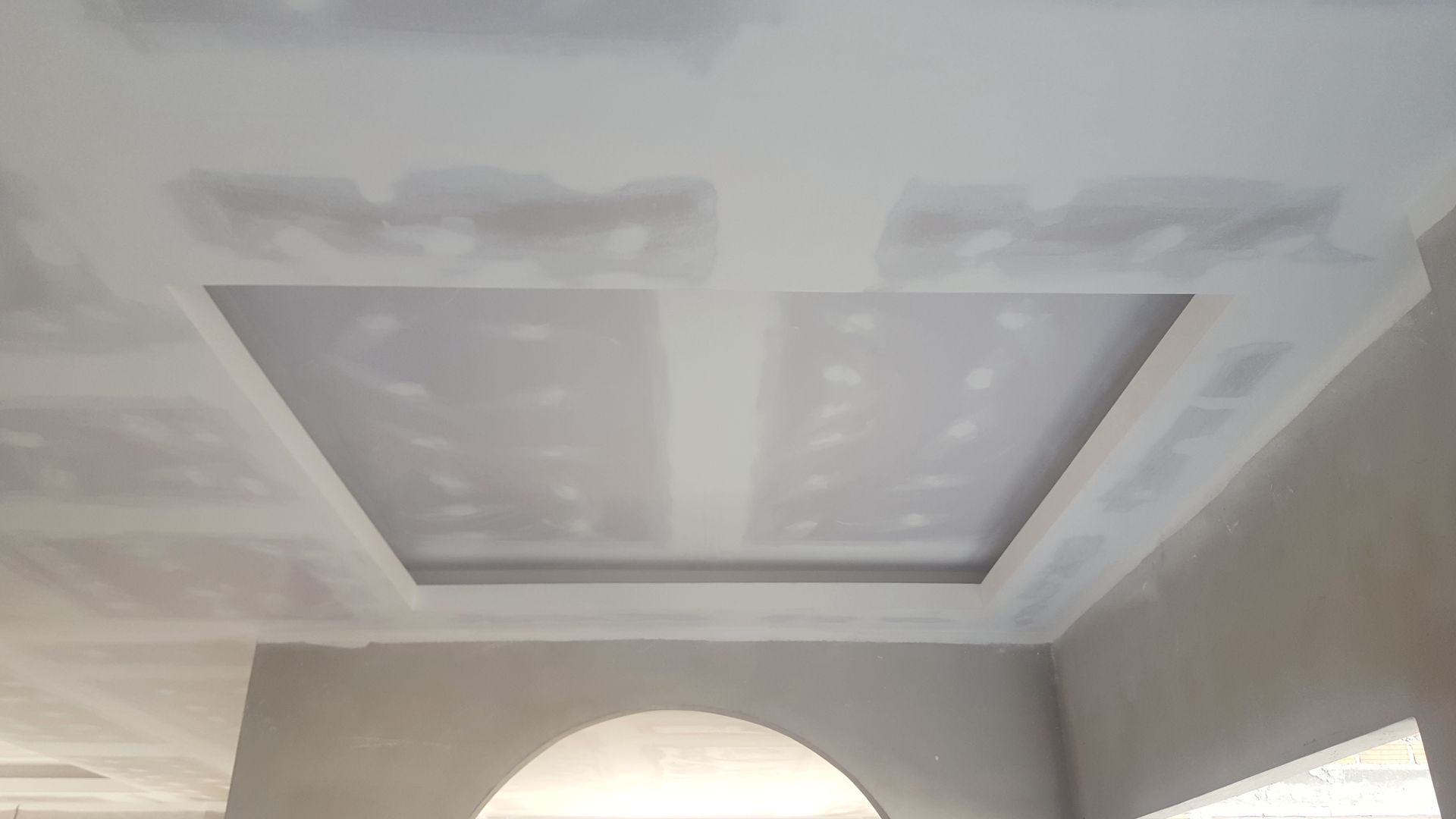
Many ceiling and wall failures result from deferred maintenance or improper previous repairs, such as roof leaks that weren't fully dried before patching, seams that were taped without embedding compound properly, or texture that was sprayed over damaged substrate without reinforcing the weakened area. Trav Construction Group removes compromised material, prepares edges so new compound bonds securely, builds up repaired sections in layers that dry without shrinking, and sands surfaces smooth before applying texture and paint.
You'll see walls and ceilings that remain stable through seasonal temperature swings and humidity changes common in New Jersey, surfaces that accept paint evenly without blotchy absorption, and repairs that don't telegraph through finish coats as raised ridges or visible seams. Proper surface preparation means that paint adheres for years rather than peeling within months, and that repaired areas don't crack again along the same lines when the house shifts slightly during freeze-thaw cycles.
Texture matching depends on identifying the existing finish accurately—whether it's smooth, orange peel, knockdown, skip trowel, or popcorn—and replicating that pattern across the repair using the same tools and application methods. Older textures that have been painted multiple times may appear denser or flatter than freshly applied texture, so blending requires adjusting spray pressure, aggregate size, or trowel technique to match the surrounding appearance.
Questions Before Starting Your Project
Homeowners typically want to understand what's causing the damage, how repairs will look once finished, and how to prevent the same problem from returning.
What causes ceiling cracks to reappear after being patched?
Cracks reappear when the underlying cause—such as truss uplift, foundation settlement, or temperature-related expansion—hasn't been addressed, or when the patch material is too rigid to flex with normal building movement. Flexible patching compounds and proper surface reinforcement reduce recurrence.
How do you repair water-damaged ceilings without replacing entire sections?
Water damage is cut back to dry, stable drywall or plaster, and the opening is patched with new material that's taped, mudded, textured, and painted to blend with the surrounding ceiling, but only after confirming that the moisture source is resolved and framing is dry.
Can you match the texture on older plaster walls?
Matching older plaster textures involves examining the original finish under strong angled light to identify trowel marks, stipple depth, or hand-applied patterns, then using similar tools and techniques to replicate the texture, though exact matches are easier on simpler finishes than on highly decorative or historically significant plasterwork.
How long before repaired walls can be painted?
Repaired drywall or plaster must dry completely before primer and paint are applied, which typically takes several days depending on humidity, air circulation, and the thickness of the patching material, since trapped moisture will cause paint to bubble or peel shortly after application.
What's included in a typical ceiling or wall repair project?
Repair projects typically include removing damaged material, reinforcing or replacing substrate as needed, patching with appropriate materials, sanding smooth, matching texture, priming, and applying finish paint that blends with the surrounding surface.
Trav Construction Group provides clear project documentation before residential ceiling and wall repair begins, so homeowners understand what will be removed, how surfaces will be rebuilt, and what the completed repair will look like. Request a free quote to review your specific damage and restoration needs.